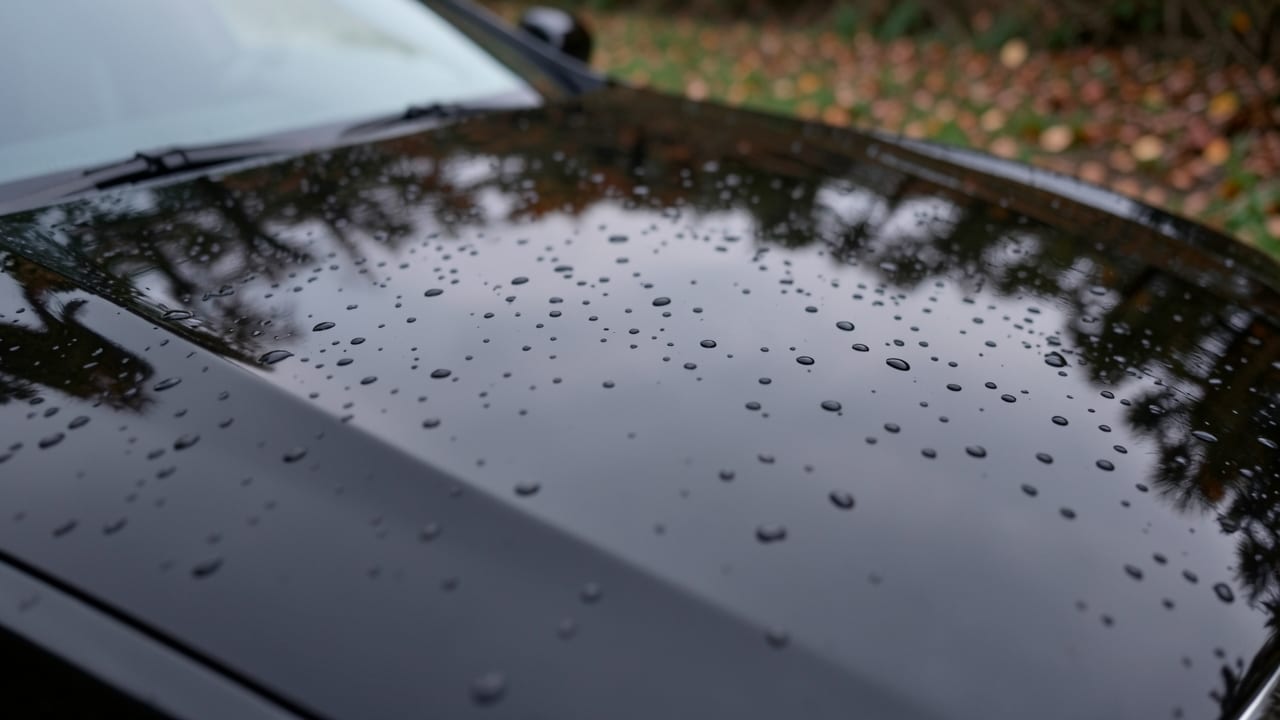
Pre-Winter Paint Sealant Application
Professional application of ceramic-based sealant to protect vehicle paint before winter.
As Roseville, CA, braces for winter, road salt, slush, and debris can damage your vehicle’s paint over time. A pre-winter paint sealant application uses a ceramic-based coating to create a protective barrier, shielding against corrosion and contaminants.
This service helps maintain your car’s finish during harsh winter conditions, reducing long-term wear and the need for costly repairs.
We also handle Ceramic Window Tint and Wheel & Brake Caliper Ceramic Coating for Roseville vehicles.
Why winter coating matters in Roseville
Roseville’s winters bring salt, slush, and road debris that can etch paint and accelerate rust. A ceramic coating adds a hydrophobic layer that repels water and contaminants, helping paint stay cleaner and last longer.
Without it, winter road grime can build up, dulling shine and increasing the risk of corrosion over time.
The coating isn’t just about aesthetics—it’s about preserving your car’s resale value. Over time, unprotected paint fades, swirls, and loses gloss, making it harder to restore. A sealant applied before winter helps lock in your car’s finish, so you’re not left with hidden damage come spring.
Signs Your Car Needs a Pre-Winter Sealant
- Water beads spread out instead of rolling off—an early sign the hydrophobic layer is fading.
- Bug splatter or sap sticks to panels instead of rinsing off with water.
- Panels reflect a duller image under direct light, even without visible scratches.
- Running a dry hand over the paint feels less slick than a freshly coated surface.
What affects pricing and timing?
Pricing depends on the vehicle’s size, the coating tier chosen (single-layer vs. multi-layer), and whether prep work like paint correction is included. A full prep—wash, decontamination, clay bar, and iron removal—helps the coating bond better but may add to the cost.
Multi-layer coatings typically offer longer protection but come at a higher price than basic sealants.
Timing matters too. Applying the coating before winter ensures it has time to cure and protect against salt and debris. Most providers recommend scheduling it 4–6 weeks before the first frost, allowing for proper curing and a full protective layer before harsh conditions arrive.
| Factor | Impact on Pricing/Timing |
|---|---|
| Vehicle Size | Larger vehicles (SUVs, trucks) require more product and labor than sedans. |
| Coating Tier | Multi-layer coatings cost more but may last longer than single-layer options. |
| Prep Work Included | Full prep (clay bar, iron removal) adds to the price but improves durability. |
| Seasonal Demand | Booking early avoids last-minute price hikes as winter approaches. |
Maintenance after coating
A ceramic coating isn’t maintenance-free, but proper care extends its life. Using pH-neutral wash soap and the two-bucket method prevents grit from scratching the surface. Avoiding automatic brush washes and drying with microfiber towels keeps the finish smooth and glossy.
Skipping these steps can lead to premature wear, especially in Roseville’s winter conditions.
Periodic decontamination—every few months—removes bonded contaminants like rail dust, which normal washes miss. A spray sealant booster applied between washes refreshes the hydrophobic layer without needing a full reapplication. These small steps help the coating perform as intended over time.
Using high-alkaline wash soaps strips the coating’s gloss and hydrophobic properties. Letting water air-dry deposits mineral spots, and automatic brush washes drag grit across the surface, causing fine scratches. Sticking to a consistent wash schedule (every 2–3 weeks) and proper drying techniques preserves the coating’s effectiveness.
How pre-winter paint sealant application works
This service involves thorough prep and a ceramic coating to protect your car’s finish.
- 1Full Vehicle Wash and Decontamination
The car is washed with a pH-neutral soap to remove dirt, followed by clay bar treatment to lift embedded contaminants. Iron remover is applied to prevent water spots, and panels are wiped clean for a smooth surface.
- 2Paint Correction (If Needed)
Swirl marks or light imperfections are addressed with polishing compounds to ensure the coating bonds to a flawless surface. Skipping this step can lock in existing damage under the new layer.
- 3Ceramic Coating Application
A liquid ceramic coating is applied in thin, even layers, allowed to spread, and cured under controlled conditions. The process creates a durable, hydrophobic barrier that repels water and contaminants.
- 4Final Inspection and Care Instructions
The finish is inspected for evenness, and the owner is given specific wash and maintenance guidelines to follow, including product recommendations and curing tips.
Frequently asked questions
Will a ceramic coating stop rock chips or deep scratches?
No—coatings add surface hardness to resist light swirls and etching but don’t provide impact protection. Rock chips or deep scratches can still occur, though the coating may make them less noticeable by preserving the underlying paint.
How long does the protection from a winter sealant last?
Protection varies by coating tier and maintenance. A well-applied ceramic sealant typically lasts 2–5 years, but winter conditions like salt exposure can shorten this. Regular washing and avoiding harsh products help extend its life.
Can I wash my car right after the coating is applied?
No—the coating needs a curing period (usually 3–7 days) before washing. Using the wrong products or washing too soon can compromise the bond and reduce durability.
Does the coating work on wheels or interior surfaces?
Most ceramic coatings focus on exterior paint, though some providers offer separate wheel or interior packages. Wheels require a different product to handle brake dust and heat, and interiors need a non-yellowing formula.
Where Roseville sits, and what the Census lists nearby
Roseville sits in California, and the closest places listed in the U.S. Census Gazetteer are Antelope (4.4 miles southwest), Rocklin (4.5 miles northeast), Citrus Heights (5.5 miles south), Foothill Farms (6 miles south). Within 25 miles of Roseville the same source lists 55 distinct incorporated places and census-designated places.
Those figures matter for pre-winter paint sealant application because they are straight-line distances between Census coordinate points: road mileage between Roseville and Antelope runs longer than the 4.4 miles shown, which is why quotes for the same job differ between towns that look close together on a map.
Source: U.S. Census Bureau Gazetteer.
See Sacramento, CA for more, or check out everything Roseville vehicle owners can book with us in full for our complete lineup.
Ready to get started?
Talk to a local ceramic coating pro in Roseville — get a written quote.
Other Ceramic Coating Services in Roseville
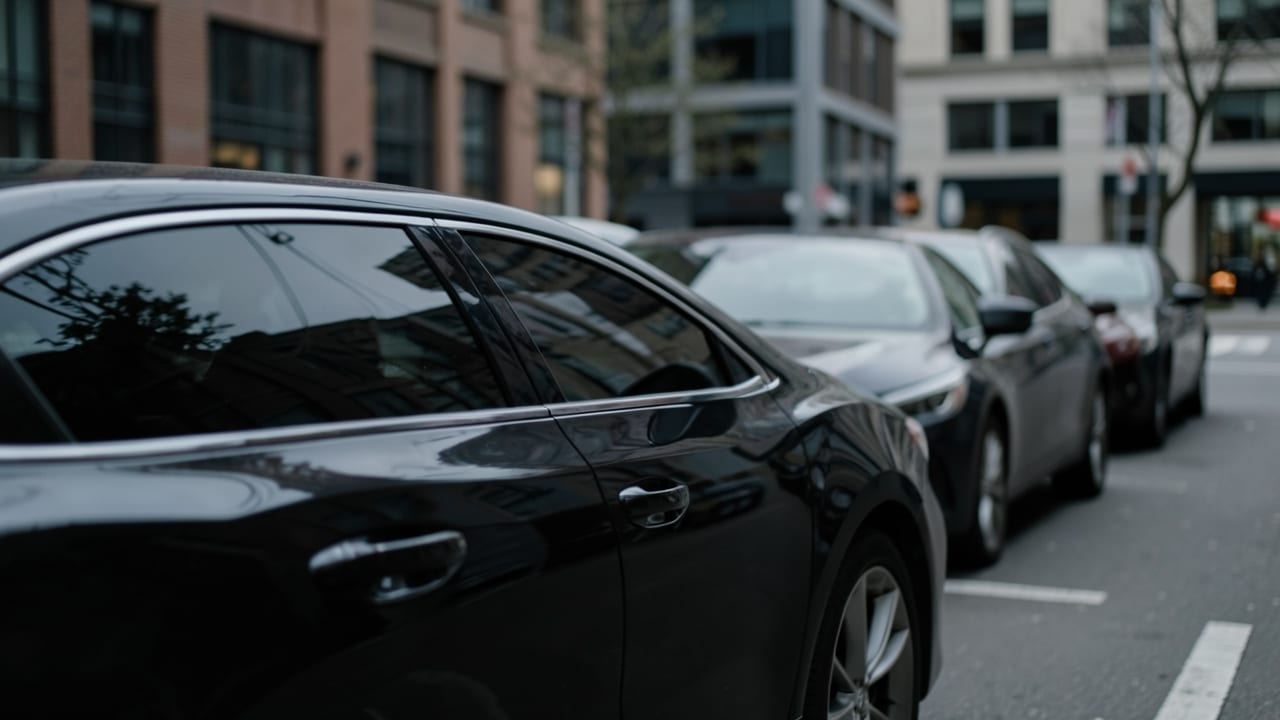
Ceramic Window Tint in Roseville, CA
Nano-ceramic window tint in Roseville, CA — rejects heat and blocks 99% of UV without the signal interference or fading of cheaper films.
Learn More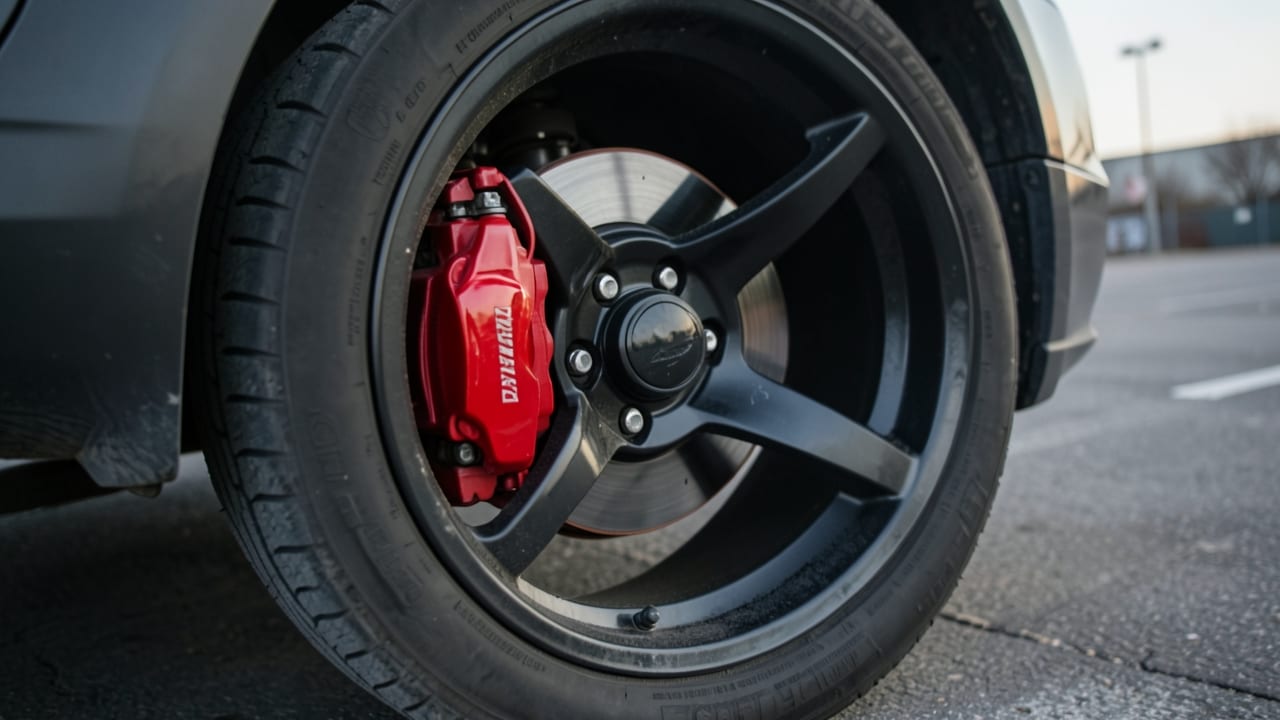
Wheel & Brake Caliper Ceramic Coating in Roseville, CA
Dedicated ceramic coating for wheels and brake calipers in Roseville, CA — stops brake dust and corrosive grime from bonding to the finish.
Learn More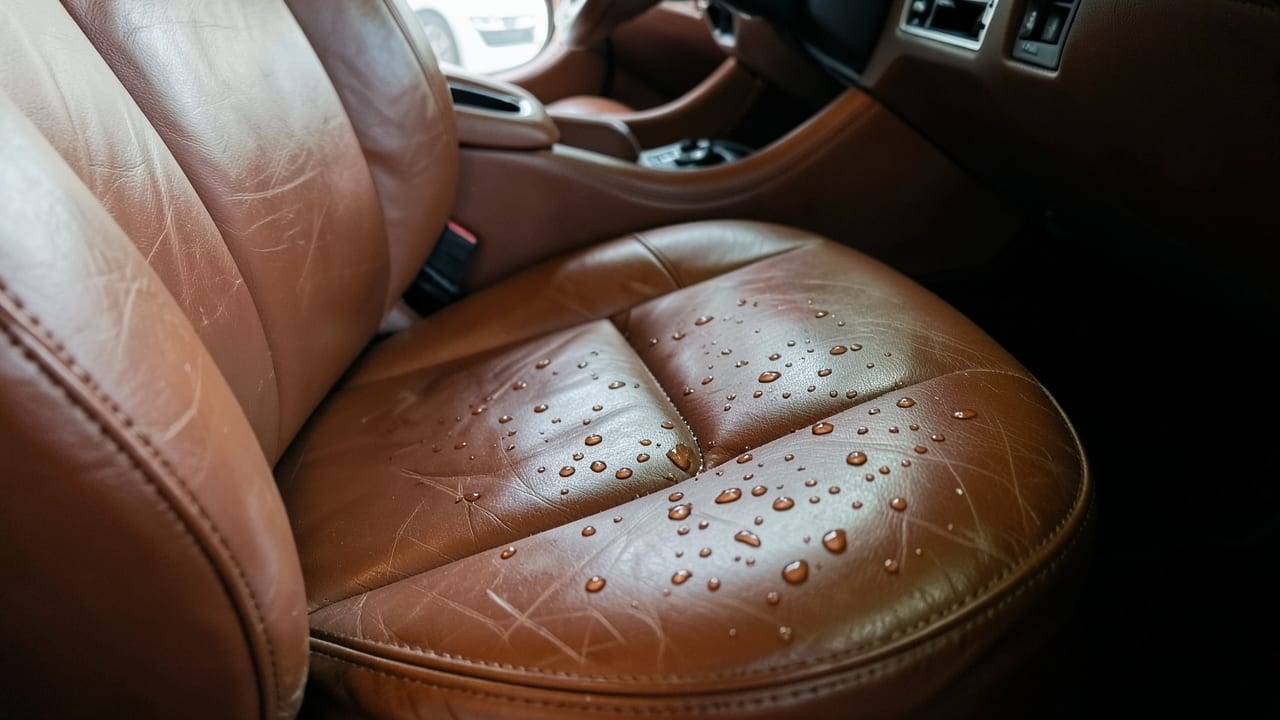
Interior Ceramic Protection in Roseville, CA
Interior fabric, leather, and trim ceramic protection in Roseville, CA — guards against spills, UV fading, and daily wear.
Learn More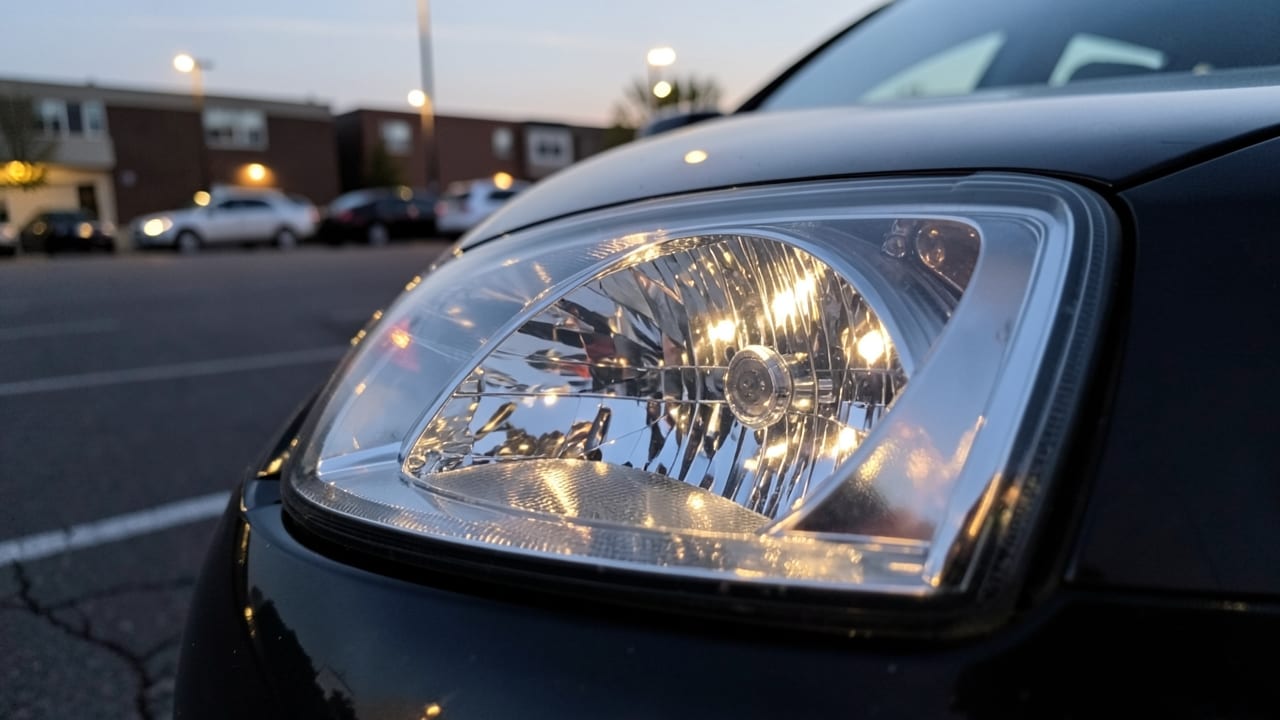
Headlight Restoration & Coating in Roseville, CA
Headlight restoration and UV-protective coating in Roseville, CA — restores clarity and nighttime visibility without replacing the assembly.
Learn More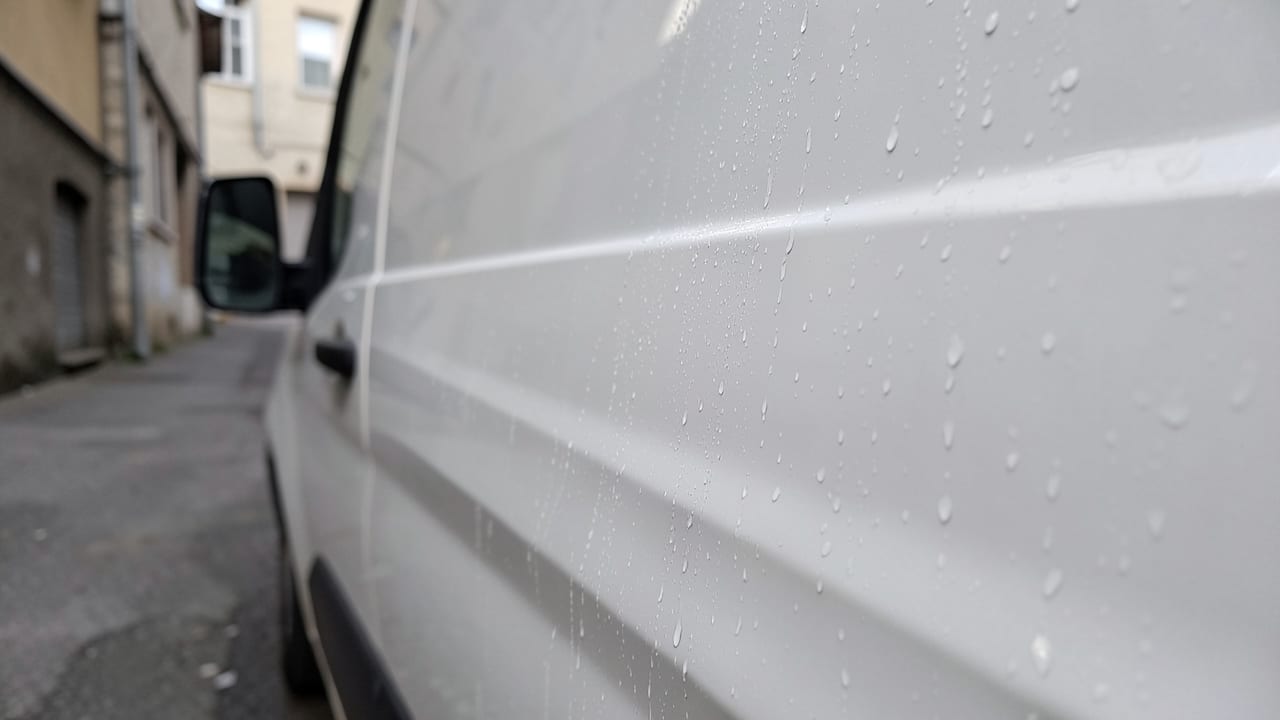
Fleet & Commercial Vehicle Coating in Roseville, CA
Ceramic coating programs for fleets and commercial vehicles in Roseville, CA — faster washing, longer-lasting branded wraps, and protected resale value.
Learn More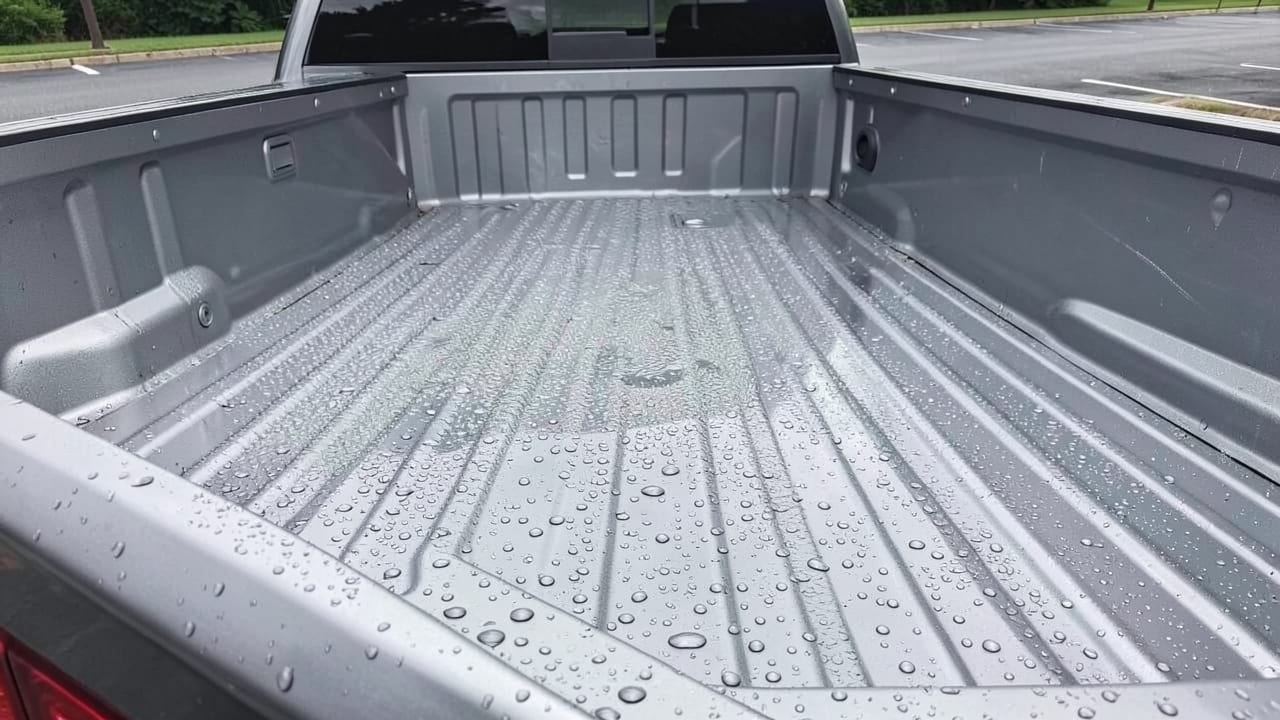
Graphene Coating in Roseville, CA
Graphene coating in Roseville, CA — a premium ceramic alternative with better heat rejection and hydrophobic durability.
Learn MoreCommon Questions About Ceramic Coating in Roseville
Everything you need to know about ceramic coating services in Roseville
How much does Pre-Winter Paint Sealant Application typically cost in Roseville, CA?
Does intense UV and dust in Roseville, CA change coating maintenance?
Does a ceramic coating need to be topped up over time?
Can a ceramic coating be applied over existing swirl marks or light scratches?
Is ceramic coating ever covered by comprehensive auto insurance?
Can ceramic coating be applied over a vinyl wrap or matte paint?
Need Ceramic Coating in Roseville?
Get a written quote from our Roseville crew.
⏰ We answer your call • Serving all of Roseville and surrounding areas