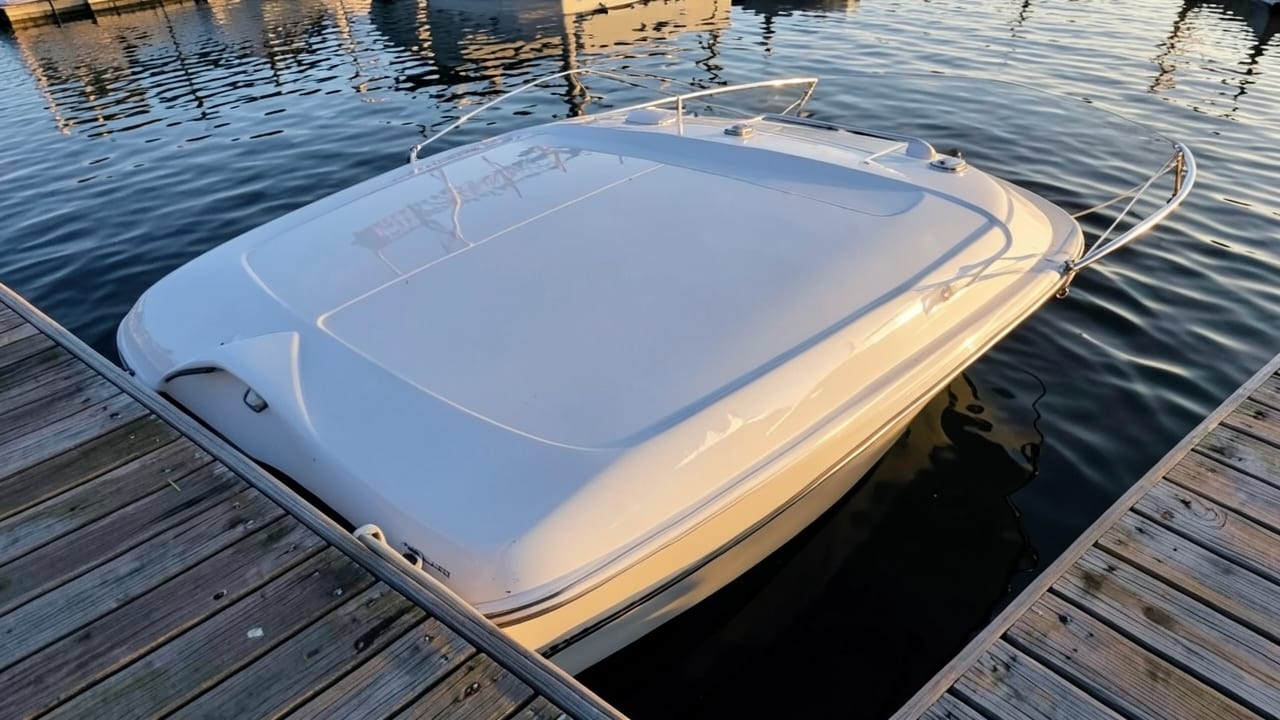
Boat Gelcoat Restoration
Restoring and protecting boat gelcoat with ceramic coatings to renew shine and durability.
Boat gelcoat restoration in Roseville, CA, restores the glossy finish of fiberglass boats by repairing surface damage like scratches, oxidation, or fading. A ceramic coating is then applied to protect against UV rays, saltwater, and contaminants common in the area, extending the boat’s appearance and durability.
This process is tailored to the specific needs of vessels stored or used in Roseville’s climate and water conditions.
We also handle Fleet & Commercial Vehicle Coating and Graphene Coating for Roseville vehicles.
When is restoration needed?
Boat gelcoat shows signs it needs restoration when water no longer beads evenly across the surface, leaving flat sheets instead of rolling off. This indicates the protective layer has worn away, exposing the paint to environmental damage.
Fine swirl marks, visible only under direct sunlight or a flashlight, are another common sign of accumulated scratches from routine handling or exposure.
A dull or hazy appearance after washing, rather than a glossy finish, often signals built-up contamination from brake dust, road grime, or industrial fallout.
Running clean fingertips across the gelcoat and feeling small bumps instead of a smooth surface is a clear indicator that contaminants have bonded to the surface, requiring professional removal before restoration.
Signs Your Boat Needs Gelcoat Restoration
- Water spreads into flat sheets instead of beading and rolling off the surface.
- Fine swirl marks are visible under direct sunlight or a flashlight, especially on darker gelcoat.
- The surface feels rough or bumpy when touched with clean fingertips.
- The gelcoat appears dull or hazy after washing, rather than retaining a glossy finish.
What affects the process and cost?
The extent of surface damage—such as deep scratches, oxidation, or fading—determines the level of paint correction needed before applying the ceramic coating. More severe damage requires additional steps, like compounding or polishing, which can extend the process and impact pricing.
The size and type of the boat also play a role, as larger vessels or those with complex surfaces may require more time and materials.
The ceramic coating tier chosen—such as SiO2 or graphene-based—affects durability and price. Higher-tier coatings offer longer protection against UV rays, saltwater, and contaminants but may come at a higher cost.
Additional services, like interior or window coatings, are often priced separately and can be added based on the boat owner’s needs.
| Factor | Impact on Process | Impact on Cost |
|---|---|---|
| Surface Damage Severity | More correction steps may be needed for deep scratches or oxidation. | Higher if extensive polishing or compounding is required. |
| Boat Size and Type | Larger or complex surfaces take longer to prep and coat. | May increase material and labor costs. |
| Coating Tier (SiO2 vs. Graphene) | Higher-tier coatings offer longer protection but require precise application. | Price varies based on durability and product quality. |
| Additional Services (Interior/Windows) | Extra steps add time and materials. | Priced separately as add-ons. |
Why proper prep matters
Skipping steps like chemical decontamination or clay bar treatment leaves contaminants embedded in the gelcoat, which can shorten the coating’s lifespan. Brake dust, tar, and industrial fallout sit below the surface and require targeted removal before coating to ensure a smooth, long-lasting finish.
A coating applied over uncleaned gelcoat may bond unevenly, leading to patchy protection and premature wear.
The curing process is equally critical. Applying the coating outside the recommended temperature and humidity range can cause uneven curing, resulting in visible streaks or high spots. Water exposure before the coating fully cures can also leave mineral deposits, compromising the finish.
Following the manufacturer’s cure time and environmental conditions helps the coating perform as intended.
Coating over uncleaned or improperly prepped gelcoat locks in existing swirl marks and contaminants, reducing the finish’s durability and gloss. Always ensure full decontamination and correction before application.
How boat gelcoat restoration works
- 1Decontamination
Chemical treatments like iron removers and tar/bug removers strip embedded contaminants from the gelcoat. This step ensures a clean surface before mechanical correction, as brake dust and road grime can cause fine scratching if left untreated.
- 2Clay Bar Treatment
A clay bar or mitt is worked across every panel with a lubricant to remove bonded contaminants like overspray or industrial fallout. The surface is considered ready when it feels smooth to the touch, indicating all contaminants have been lifted.
- 3Paint Correction
The gelcoat is inspected under raking light for swirl marks and scratches, which are corrected with a polishing compound. This step is critical, as coating over existing imperfections locks them in permanently under the protective layer.
- 4Coating Application
The ceramic coating is applied panel by panel in a controlled environment with specific humidity and temperature ranges. The boat is left undisturbed during the cure period to ensure proper bonding and hardness before exposure to water or washing.
Frequently asked questions
Will a ceramic coating hide deep scratches or rock chips on my boat’s gelcoat?
Ceramic coatings add surface hardness and protection against light swirling but do not fill in or hide deep scratches or rock chips. These imperfections are best addressed through paint correction or fiberglass repair before applying the coating.
How long should I wait before washing my boat after the coating is applied?
The coating requires a specific cure time, typically 3–7 days, before exposure to water or washing. Follow the manufacturer’s guidelines to avoid water-spot marks or mineral deposits that can compromise the finish.
Can I use automatic car washes on my boat after coating?
Automatic car washes with spinning brushes can introduce fine scratching, especially during the first few weeks after coating. Hand-washing with a two-bucket method and pH-neutral soap is recommended to protect the finish while it cures and beyond.
What maintenance habits help my boat’s coating last longer?
Parking in shade or a garage during the first few days after coating helps prevent flash-curing from direct sun. Using a pH-neutral soap and rinsing off contaminants like bird droppings or tree sap promptly also extends the coating’s lifespan.
Where Roseville sits, and what the Census lists nearby
Roseville sits in California, and the closest places listed in the U.S. Census Gazetteer are Antelope (4.4 miles southwest), Rocklin (4.5 miles northeast), Citrus Heights (5.5 miles south), Foothill Farms (6 miles south). Within 25 miles of Roseville the same source lists 55 distinct incorporated places and census-designated places.
Those figures matter for boat gelcoat restoration because they are straight-line distances between Census coordinate points: road mileage between Roseville and Antelope runs longer than the 4.4 miles shown, which is why quotes for the same job differ between towns that look close together on a map.
Source: U.S. Census Bureau Gazetteer.
See El Dorado Hills, CA for more, or discover our complete Roseville service list on a single page for our complete lineup.
Ready to get started?
Talk to a local ceramic coating pro in Roseville — get a written quote.
Other Ceramic Coating Services in Roseville
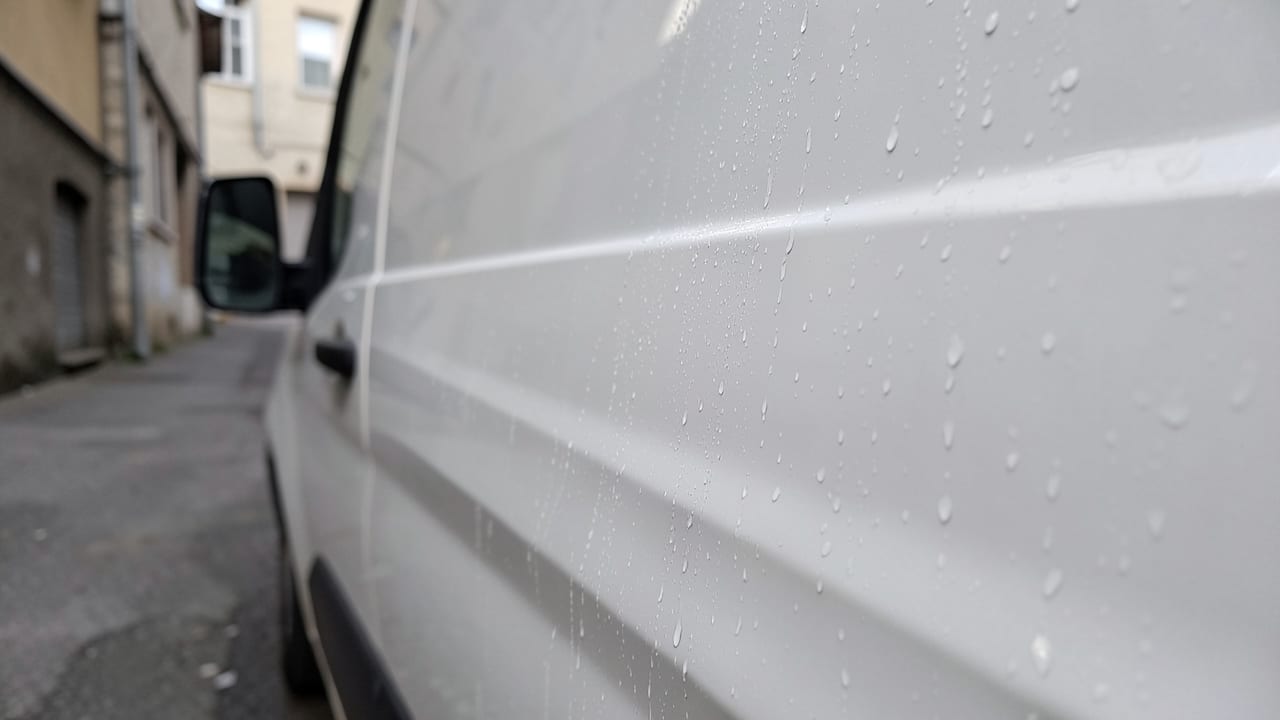
Fleet & Commercial Vehicle Coating in Roseville, CA
Ceramic coating programs for fleets and commercial vehicles in Roseville, CA — faster washing, longer-lasting branded wraps, and protected resale value.
Learn More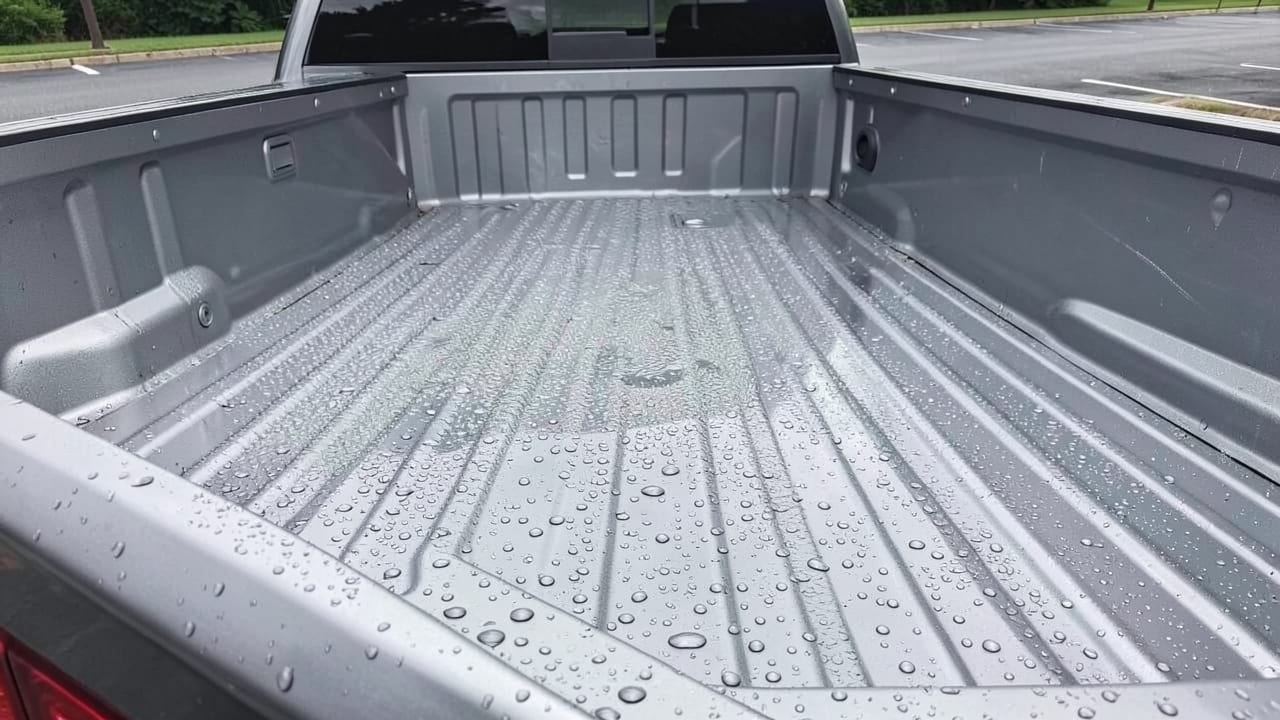
Graphene Coating in Roseville, CA
Graphene coating in Roseville, CA — a premium ceramic alternative with better heat rejection and hydrophobic durability.
Learn More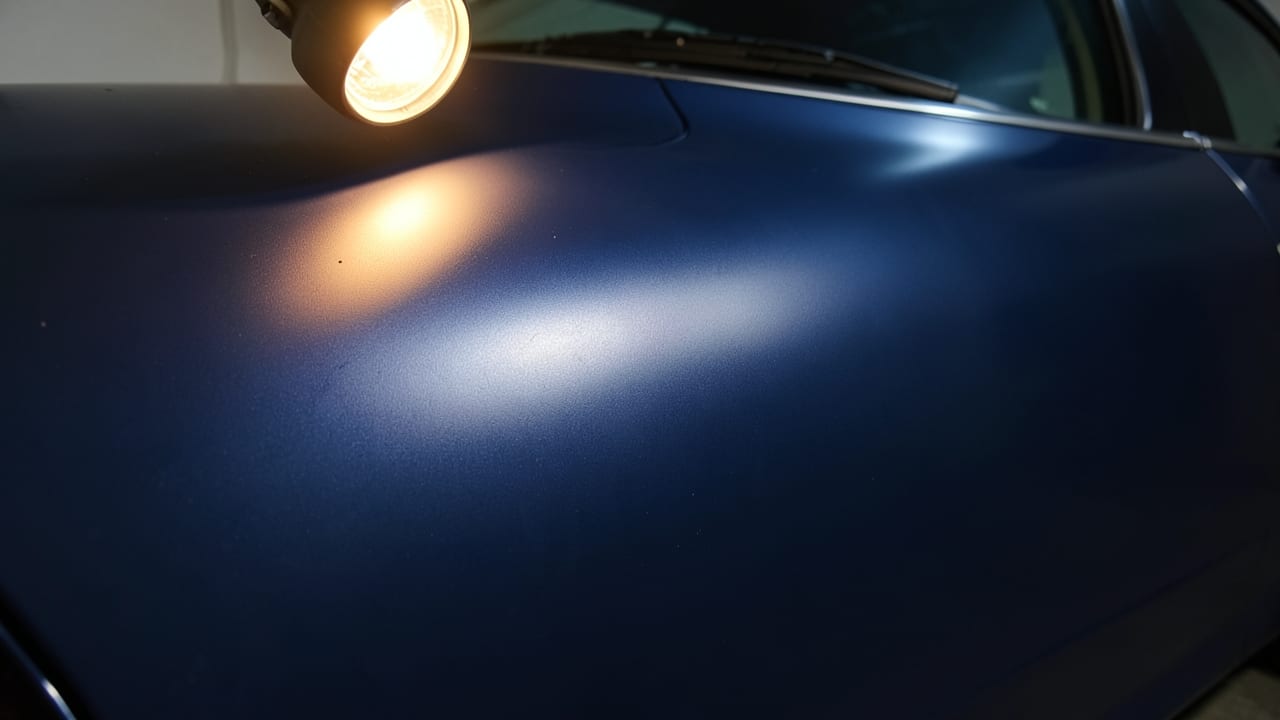
Clay Bar Paint Decontamination in Roseville, CA
Clay bar paint decontamination in Roseville, CA removes bonded surface contaminants a wash alone can't touch, before coating or correction.
Learn More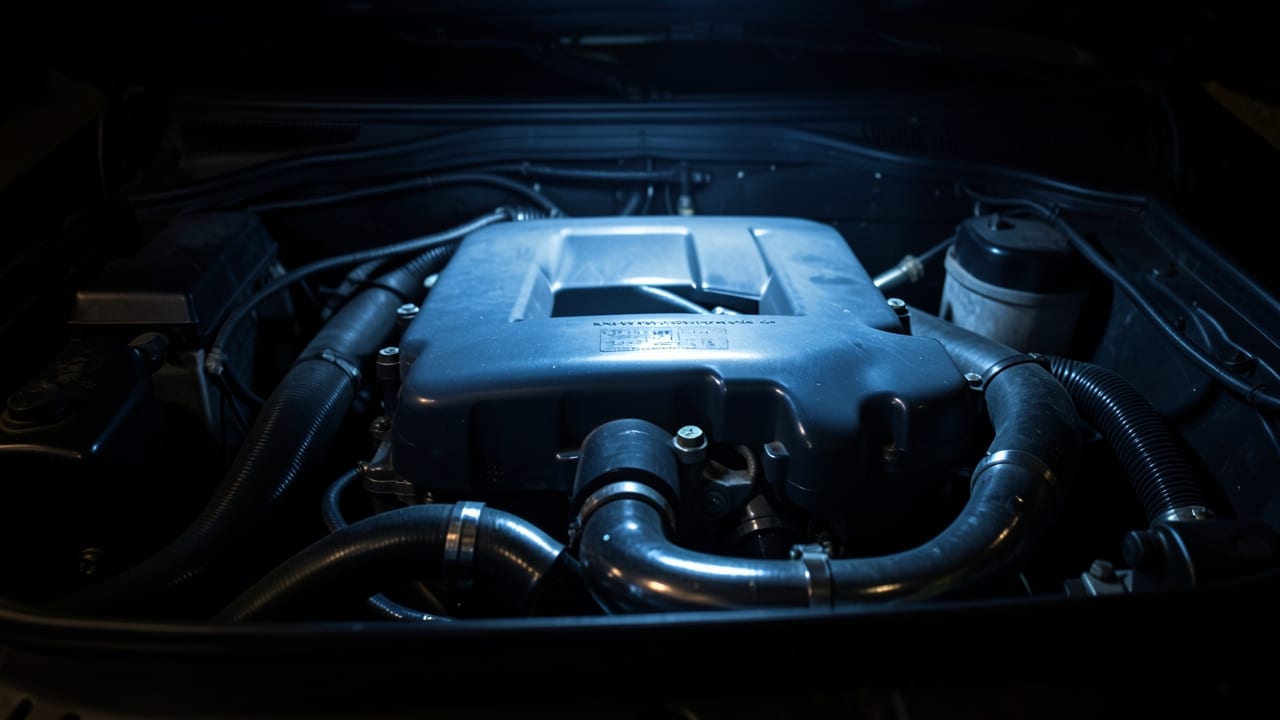
Engine Bay Detailing in Roseville, CA
Engine bay detailing in Roseville, CA — safe degreasing and dressing of the engine compartment without risking electrical components.
Learn More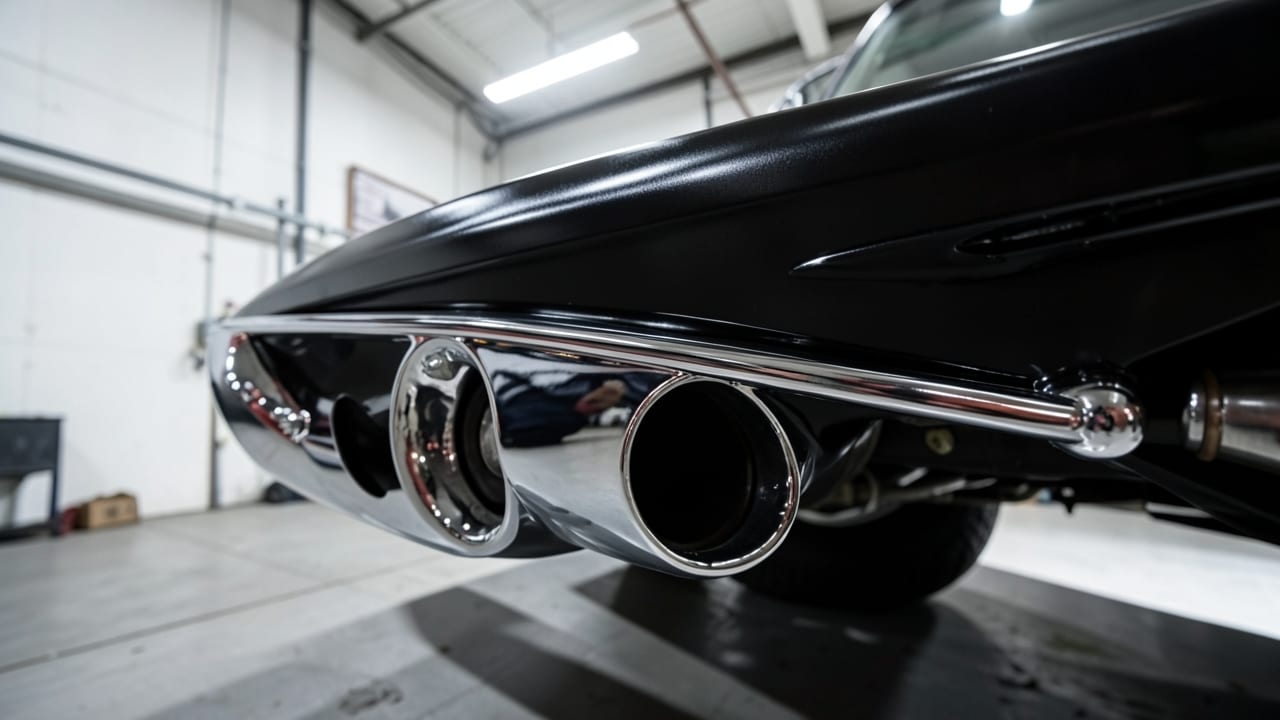
Chrome Delete Pack in Roseville, CA
Ceramic coating application for paint protection and enhanced vehicle appearance.
Learn More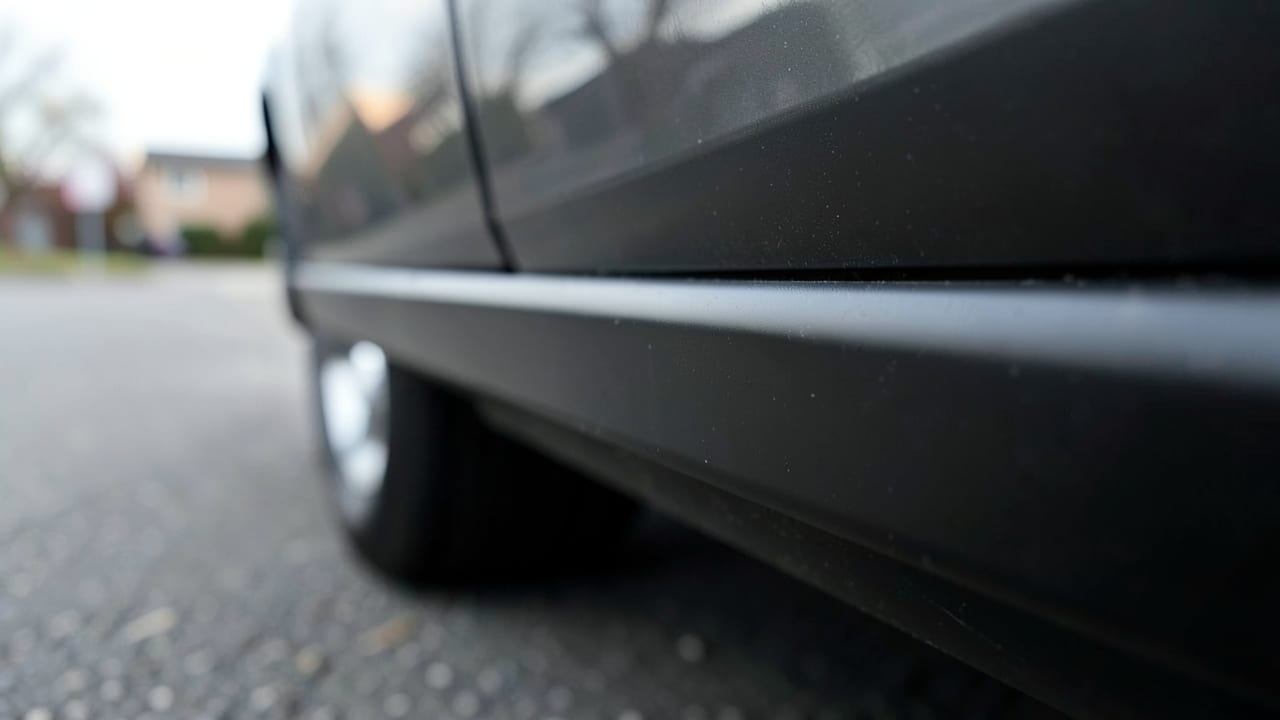
Plastic Trim Restoration in Roseville, CA
Restoring faded or discolored plastic trim with ceramic coatings or protective treatments.
Learn MoreCommon Questions About Ceramic Coating in Roseville
Everything you need to know about ceramic coating services in Roseville
How much does Boat Gelcoat Restoration typically cost in Roseville, CA?
Does intense UV and dust in Roseville, CA change coating maintenance?
How long does a ceramic coating actually last in real-world use?
What is the difference between graphene and SiO2 ceramic coatings?
Does a ceramic coating need to be topped up over time?
Can a ceramic coating be applied over existing swirl marks or light scratches?
Need Ceramic Coating in Roseville?
Get a written quote from our Roseville crew.
⏰ We answer your call • Serving all of Roseville and surrounding areas