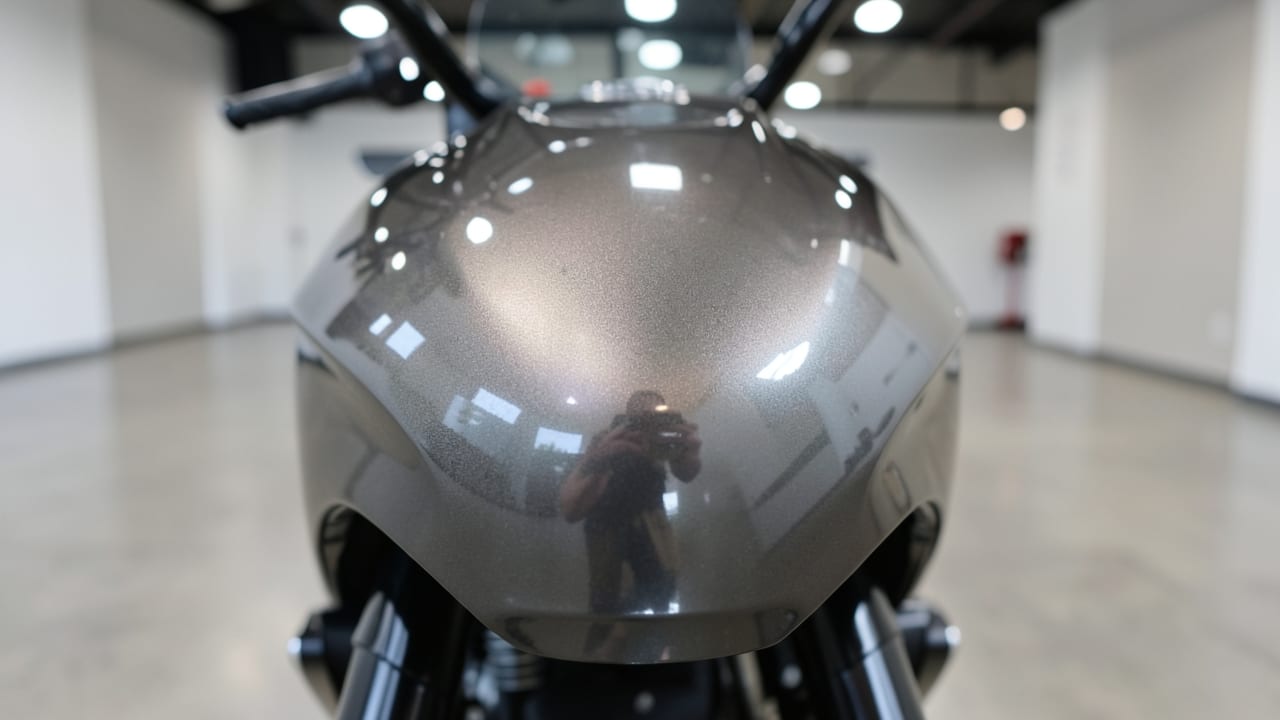
Motorcycle Ceramic Coating
Professional application of ceramic coating to protect motorcycle paint and surfaces from damage.
Motorcycle ceramic coating in Roseville, CA, adds a protective liquid polymer layer to your bike’s paint, shielding it from scratches, UV damage, and contaminants. The process involves thorough cleaning, decontamination, and precise application to restore and preserve your motorcycle’s finish for years.
Local technicians cover Roseville and surrounding areas like Rocklin and Folsom, ensuring a professional-grade result tailored to your bike’s needs.
We also handle Bug Splatter Removal and Oxidation Removal for Roseville vehicles.
When your bike needs coating
Ceramic coating is ideal if your motorcycle’s paint feels dull after washing or if water no longer beads smoothly. Fine swirl marks—visible under direct light—are another sign the clear coat is compromised.
These issues often build up over time from routine washing, road grime, and environmental exposure, leaving the paint vulnerable to deeper damage.
A coating won’t hide existing deep scratches or rock chips, but it does lock in the current condition of the clear coat. Skipping prep work like decontamination or paint correction can trap contaminants under the coating, reducing its lifespan.
The best results come from addressing surface imperfections before applying the protective layer.
Signs Your Motorcycle Needs Coating
- Water spreads instead of beading on the paint surface
- Fine swirl marks appear under raking light or direct sunlight
- Paint feels rough or gritty when touched lightly with clean fingertips
- Gloss fades after washing, leaving a dull or hazy finish
- Clear coat shows embedded brake dust or industrial fallout
What affects pricing and timing
Pricing for motorcycle ceramic coating depends on the bike’s size, the extent of prep work needed, and the coating tier chosen. A full-service package—including decontamination, clay bar treatment, and multi-layer coating—takes longer but delivers longer-lasting protection. Basic coatings may cost less upfront but require more frequent reapplication.
The process typically spans 3–5 hours, including prep, application, and cure time. Rush jobs may be possible but could compromise quality if prep steps are skipped. Coating tiers vary in durability, with some designed for 2–3 years of protection and others lasting closer to 5 years under ideal conditions.
| Factor | Typical Impact on Pricing/Timing |
|---|---|
| Bike Size | Larger bikes (e.g., touring models) require more coating material and labor time |
| Prep Work Needed | Decontamination and correction add 1–2 hours but ensure better adhesion |
| Coating Tier | Single-layer coatings cost less but may need reapplication sooner than multi-layer |
| Color and Surface Condition | Darker colors or heavily contaminated paint may require extra cleaning steps |
| Cure Time | Humidity and temperature affect cure speed; controlled environments extend timing |
Common misconceptions
Ceramic coating is often mistaken for a full paint correction service or a solution for deep scratches. While it enhances gloss and adds hardness against light swirling, it doesn’t repair or prevent rock chips, dents, or severe damage.
Another misconception is that coating eliminates the need for regular washing—it doesn’t. Proper maintenance, like using a two-bucket wash method, is critical to preserving the finish.
Some assume coating is a one-time fix, but its lifespan depends on how well the surface is prepped and how carefully the bike is maintained afterward. Skipping steps like iron removal or clay bar treatment can lead to premature wear, making the coating less effective over time.
Ceramic coating does not stop rock chips, dents, or deep scratches. It adds a protective layer against UV rays, light swirling, and contaminants but requires the clear coat to be in good condition beforehand.
How motorcycle ceramic coating works
A professional ceramic coating job follows a precise sequence to ensure long-lasting protection.
- 1Foam Wash and Decontamination
The bike undergoes a foam wash to remove loose dirt, followed by a separate wheel cleaning. Chemical decontamination strips embedded brake dust and tar using iron remover and bug/tar remover, ensuring the paint is free of contaminants before mechanical contact.
- 2Clay Bar Treatment and Inspection
A clay bar or mitt removes bonded contaminants like overspray and industrial fallout, leaving the paint smooth to the touch. The surface is inspected under raking light for swirl marks or scratches, which are corrected with a polishing compound if needed.
- 3Panel Wipe-Down and Coating Application
Panels are wiped down with isopropyl alcohol to remove any residue, then coated panel by panel in a dust-free environment. The coating is applied within a controlled humidity and temperature range to ensure even curing.
- 4Curing and Post-Care
The bike is left undisturbed for the full cure period, typically 24–48 hours, before exposure to rain or washing. Proper post-coating care—like avoiding automatic car washes and rinsing contaminants promptly—helps maintain the finish.
Frequently asked questions
Will ceramic coating make my motorcycle’s paint look brand new?
Coating enhances gloss and protects against light swirling and UV damage, but it won’t hide deep scratches or restore paint that’s already damaged. Results depend on the surface condition before coating—prep work like correction polish improves the final look.
How long does the coating last, and what shortens its lifespan?
Durability varies by coating tier and maintenance, typically ranging from 2–5 years. Skipping prep steps like decontamination or using harsh washing methods during the cure period can reduce how long the coating performs effectively.
Can I wash my motorcycle right after coating?
No—waiting the full cure period (usually 24–48 hours) is critical. Washing too soon can cause water spots or compromise the coating’s bond. Use a two-bucket wash method with pH-neutral soap once the cure is complete.
Does coating protect against rock chips?
No, ceramic coating adds surface hardness but doesn’t prevent or repair impact damage like rock chips or dents. It’s designed to shield against UV rays, light scratches, and contaminants, not physical strikes.
Where Roseville sits, and what the Census lists nearby
Roseville sits in California, and the closest places listed in the U.S. Census Gazetteer are Antelope (4.4 miles southwest), Rocklin (4.5 miles northeast), Citrus Heights (5.5 miles south), Foothill Farms (6 miles south). Within 25 miles of Roseville the same source lists 55 distinct incorporated places and census-designated places.
Those figures matter for motorcycle ceramic coating because they are straight-line distances between Census coordinate points: road mileage between Roseville and Antelope runs longer than the 4.4 miles shown, which is why quotes for the same job differ between towns that look close together on a map.
Source: U.S. Census Bureau Gazetteer.
See Lincoln, CA for more, or browse the rest of our Roseville lineup in one place for our complete lineup.
Ready to get started?
Talk to a local ceramic coating pro in Roseville — get a written quote.
Other Ceramic Coating Services in Roseville
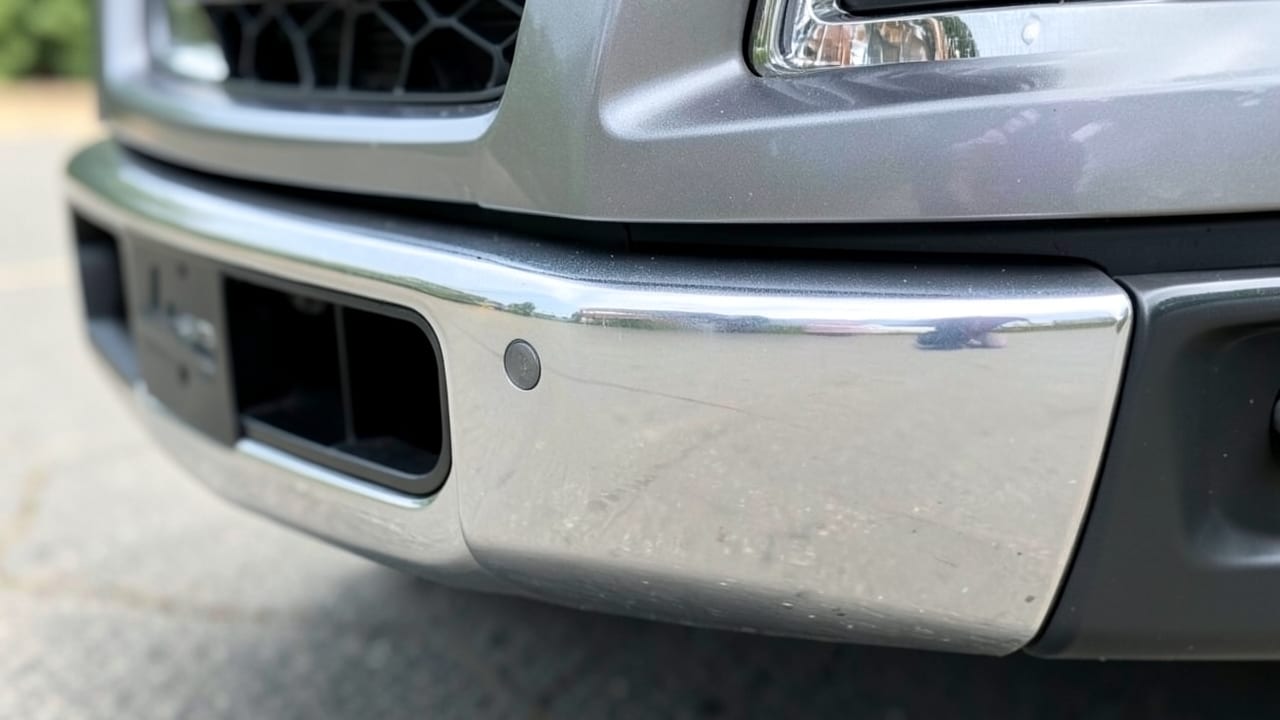
Bug Splatter Removal in Roseville, CA
Professional removal of insect residue from vehicle paint without damaging the ceramic coating or finish.
Learn More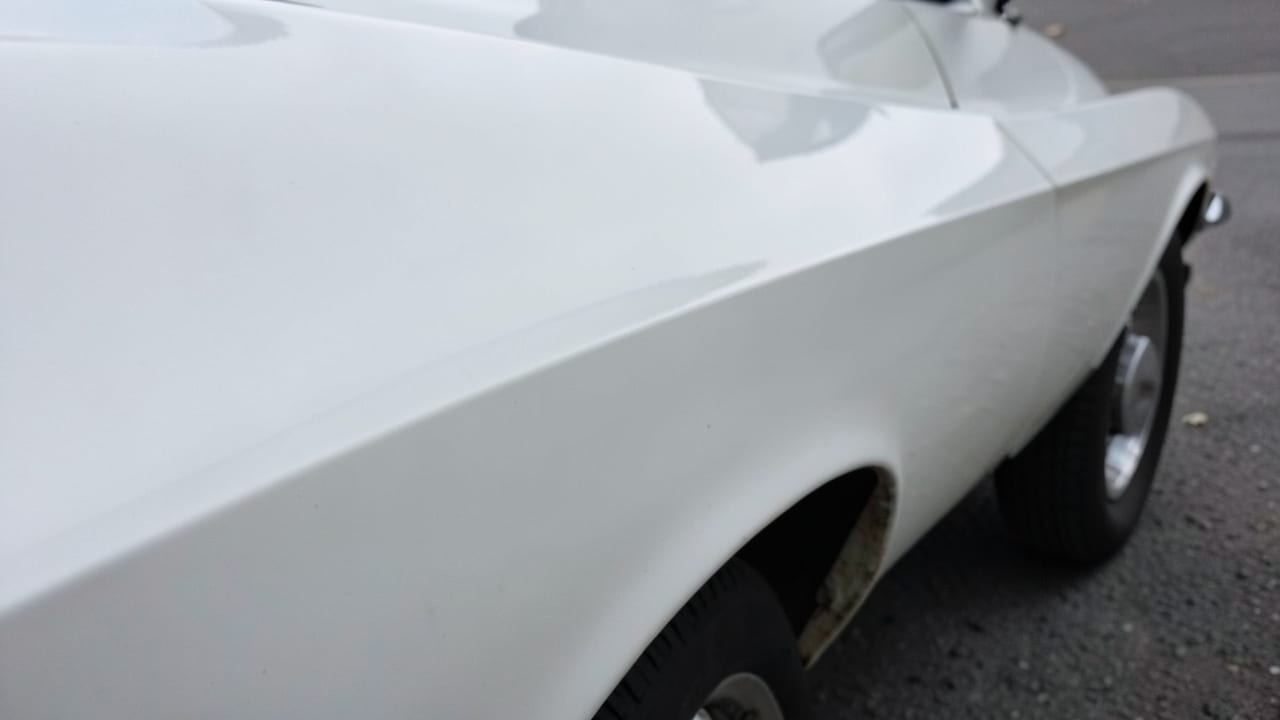
Oxidation Removal in Roseville, CA
Professional removal of oxidation from vehicle paint to restore clarity and prepare surfaces for ceramic coating.
Learn More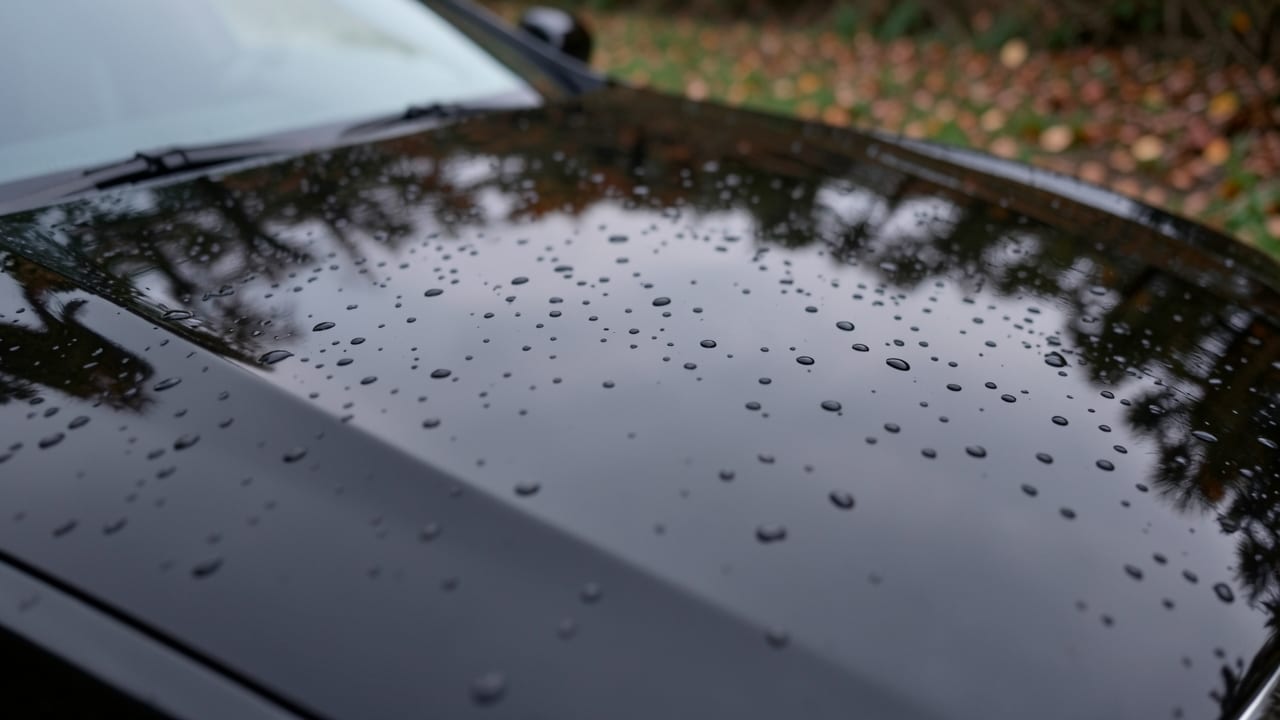
Pre-Winter Paint Sealant Application in Roseville, CA
Professional application of ceramic-based sealant to protect vehicle paint before winter.
Learn More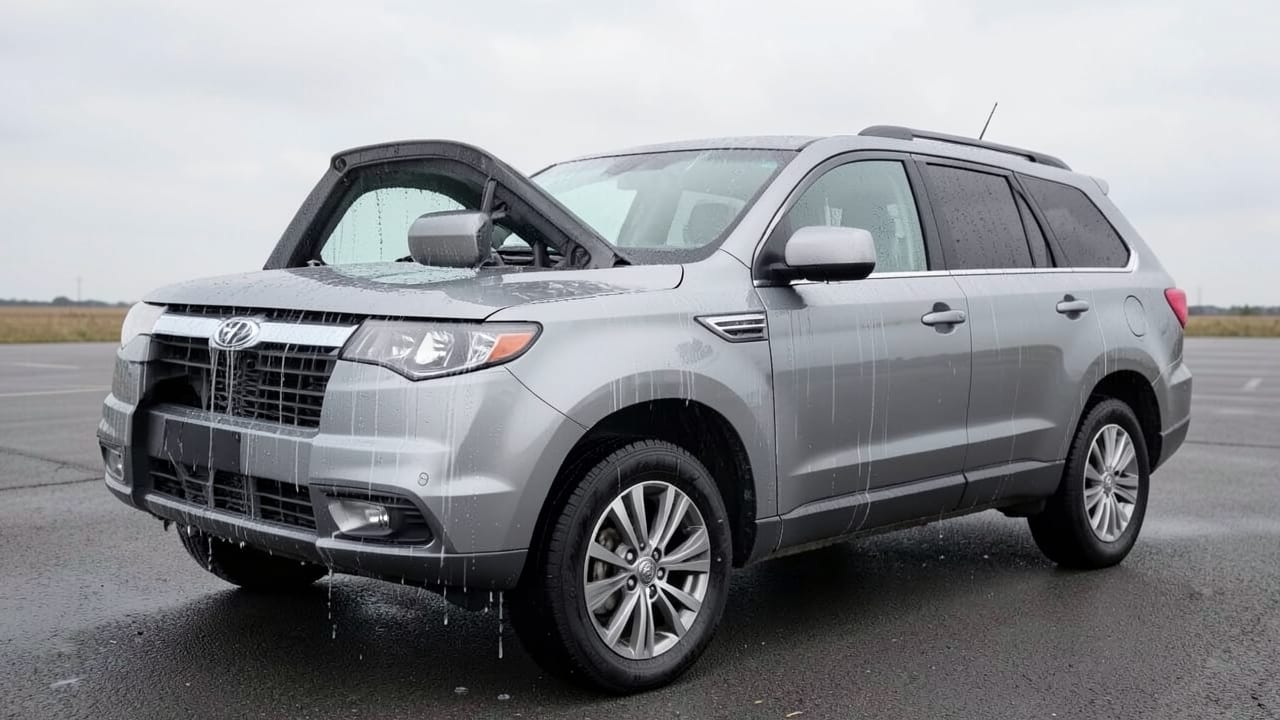
Annual Ceramic Maintenance Wash in Roseville, CA
Professional cleaning and reapplication of ceramic coatings to preserve paint protection.
Learn More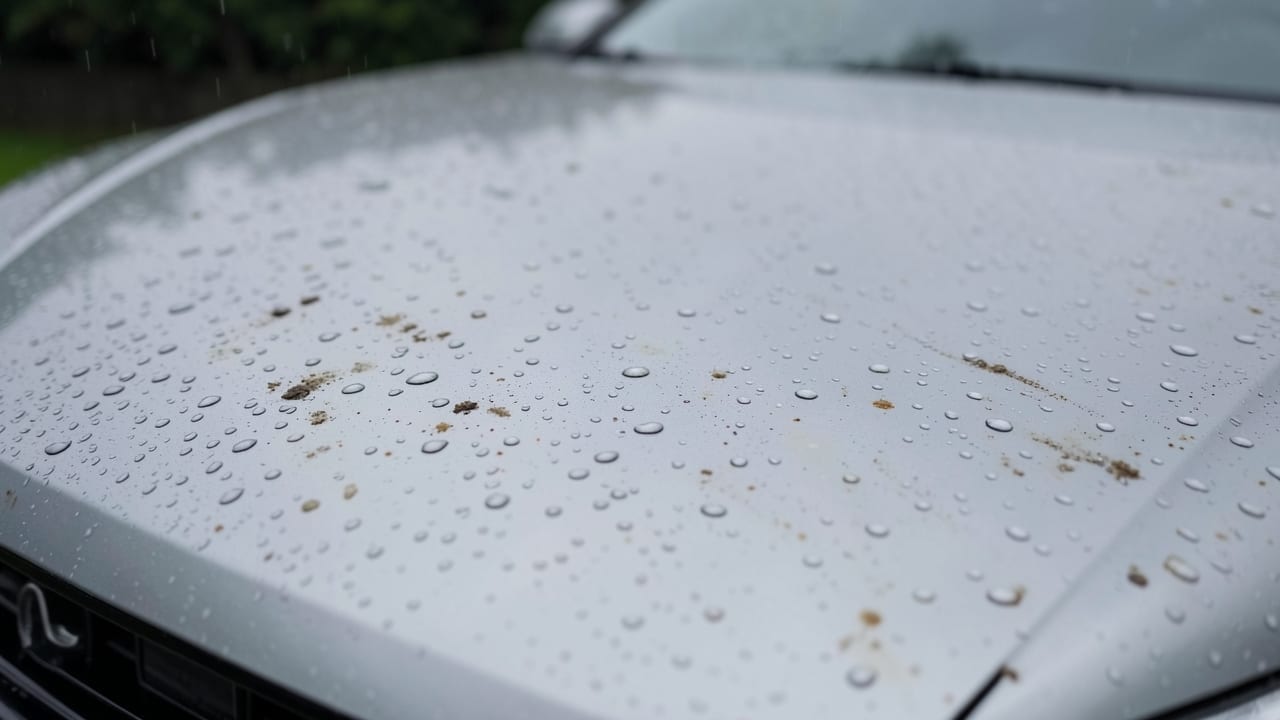
Post-Storm Contaminant Removal in Roseville, CA
Removal of contaminants from vehicle paint after storms, followed by ceramic coating application.
Learn More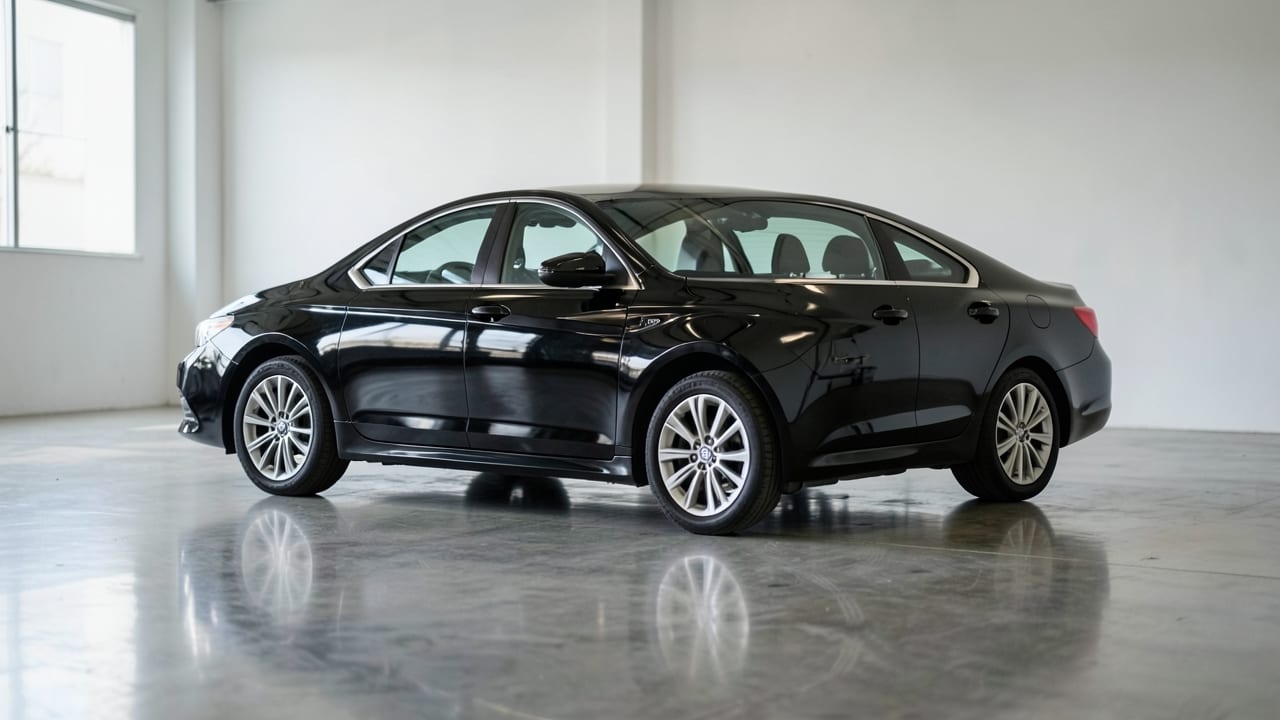
Pre-Event Showroom Gloss Enhancement in Roseville, CA
Professional ceramic coating application to enhance vehicle paint gloss before events.
Learn MoreCommon Questions About Ceramic Coating in Roseville
Everything you need to know about ceramic coating services in Roseville
How much does Motorcycle Ceramic Coating typically cost in Roseville, CA?
Does intense UV and dust in Roseville, CA change coating maintenance?
What does proper paint prep before a ceramic coating actually involve?
How should a coated vehicle be washed after the coating is applied?
Will a ceramic coating stop rock chips or scratches?
What's the actual difference between wax, paint sealant, and ceramic coating?
Need Ceramic Coating in Roseville?
Get a written quote from our Roseville crew.
⏰ We answer your call • Serving all of Roseville and surrounding areas