Annual Ceramic Maintenance Wash
Professional cleaning and reapplication of ceramic coatings to preserve paint protection.
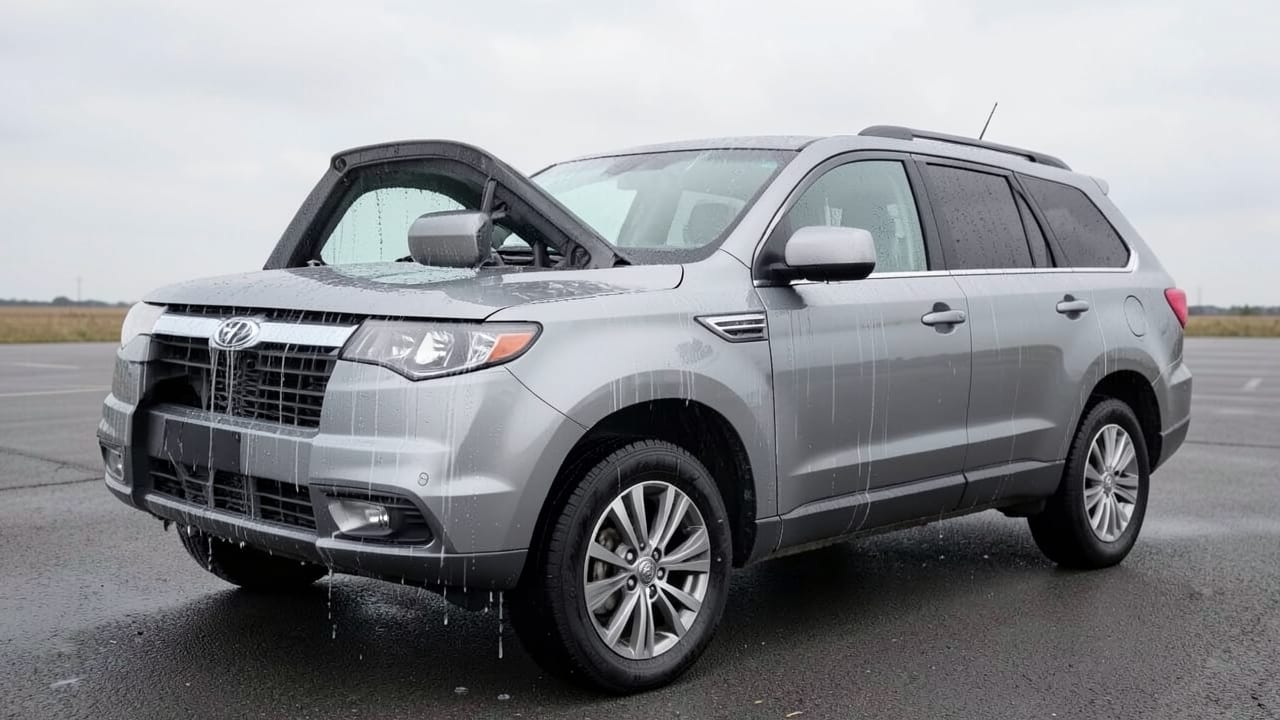
In Roseville, CA, an Annual Ceramic Maintenance Wash helps restore the protective and hydrophobic qualities of your vehicle’s existing ceramic coating. This service includes thorough decontamination, gentle cleaning, and reapplication of protective layers to maintain gloss and shield against environmental damage over time.
It’s designed for vehicle owners who want to extend the life of their coating without full reapplication.
We also handle Convertible Top Protection and Motorcycle Ceramic Coating for Roseville vehicles.
When to schedule your maintenance wash
A ceramic coating doesn’t degrade overnight, but gradual wear shows up in subtle changes during normal washing. If water beads spread wider or sheet across panels instead of rolling off, or if your vehicle’s finish feels less slick to the touch, it’s time for maintenance.
These signs indicate the hydrophobic layer is thinning, reducing protection against contaminants and UV exposure.
Road grime that once rinsed off with water now requires scrubbing is another clue. The coating’s self-cleaning slickness fades first, making panels duller under direct light or leaving a slightly less crisp reflection. Addressing these early helps prevent deeper issues like embedded contaminants or fine scratching from grit buildup.
Signs Your Ceramic Coating Needs Maintenance
- Water beads spread wider or sheet across the surface instead of rolling off cleanly.
- Panels feel less slick to the touch, resembling ordinary paint rather than a fresh coating.
- Road grime, bug splatter, or tree sap now requires scrubbing to remove, rather than rinsing off with water.
- The finish appears slightly duller under direct light, with less crisp reflection than before.
What affects your maintenance schedule and results
The two-to-three-week wash interval is critical—stretching it to a month or longer allows contamination and grit to build up, making even a proper wash less effective. Consistency matters more than occasional thorough washes.
Using a pH-neutral wash soap formulated for coated paint preserves the hydrophobic layer, while high-alkaline or wax-stripping soaps accelerate wear by breaking down the coating’s surface chemistry.
Drying techniques also impact longevity. Leaving water to air-dry deposits mineral spots, which are more visible on glossy coated finishes. Instead, drying with a clean microfiber towel or aid prevents spotting and maintains clarity.
Avoiding automatic tunnel washes with spinning brushes further reduces fine scratching from grit dragged across the surface.
| Factor | Impact on Coating | Recommended Practice |
|---|---|---|
| Wash Interval | Grit and contamination buildup reduces effectiveness of each wash. | Stick to a two-to-three-week schedule. |
| Wash Soap pH | High-alkaline soaps strip the hydrophobic layer faster. | Use pH-neutral soap formulated for ceramic coatings. |
| Drying Method | Air-drying leaves mineral deposits, dulling the finish. | Dry with a clean microfiber towel or drying aid. |
| Wash Location | Spinning brushes in automatic washes introduce fine scratches. | Opt for hand-washing or touchless methods. |
Why maintenance matters in Roseville’s climate
Roseville’s mix of urban and rural driving exposes vehicles to rail dust, industrial fallout, and seasonal road chemicals. These contaminants bond to the coating over time, reducing its effectiveness.
A light clay or chemical decontamination pass every few months removes embedded particles, keeping the surface smooth and the coating’s protective properties intact.
Periodic reapplication of a spray sealant or booster refreshes the slickness and water-beading properties between full maintenance intervals. This step is especially useful in areas with frequent rain or high humidity, where mineral deposits from water evaporation can accelerate wear.
How an annual ceramic maintenance wash works
This service restores your coating’s protective and hydrophobic properties through careful cleaning and reapplication.
- 1Decontamination
The vehicle undergoes a thorough wash using a two-bucket method with pH-neutral soap to remove loose contaminants. A light clay bar or chemical decontamination pass follows to lift bonded particles like rail dust or industrial fallout, ensuring a smooth surface for reapplication.
- 2Gentle Cleaning
The coating is cleaned with a microfiber mitt and fresh water to avoid redepositing grit. This step removes any remaining residue without stripping the ceramic layer, preserving its gloss and hydrophobic properties.
- 3Drying
The vehicle is dried immediately with a clean microfiber towel or drying aid to prevent water spots. Air-drying is avoided, as it allows mineral deposits to settle on the coated surface.
- 4Reapplication
A spray sealant or booster is applied to refresh the surface slickness and water-beading properties. This step is scheduled periodically to maintain protection between full maintenance intervals.
- 5Curing
The vehicle is allowed to cure fully before regular use. During this time, washing with the wrong products or methods can compromise the coating’s bond, so following the curing window is essential.
Frequently asked questions
How do I know if my ceramic coating needs maintenance?
Watch for water beading that spreads wider or sheets across panels instead of rolling off cleanly. If your vehicle’s finish feels less slick to the touch or requires scrubbing to remove road grime, it’s time for maintenance. These signs indicate the hydrophobic layer is thinning.
Can I use any car soap to wash my coated vehicle?
No, high-alkaline or wax-stripping soaps break down the coating’s surface chemistry over time. Always use a pH-neutral soap formulated specifically for ceramic coatings to preserve its protective properties.
Why should I avoid automatic tunnel washes for my coated car?
Spinning brushes in automatic washes pick up grit from other vehicles and drag it across your coating, causing fine scratches. Hand-washing or touchless methods reduce this risk and help maintain the coating’s integrity.
How often should I schedule a maintenance wash?
Sticking to a two-to-three-week wash interval helps prevent grit and contamination buildup. Stretching this out too long reduces the effectiveness of each wash and can lead to embedded particles that dull the finish.
Where Roseville sits, and what the Census lists nearby
Roseville sits in California, and the closest places listed in the U.S. Census Gazetteer are Antelope (4.4 miles southwest), Rocklin (4.5 miles northeast), Citrus Heights (5.5 miles south), Foothill Farms (6 miles south). Within 25 miles of Roseville the same source lists 55 distinct incorporated places and census-designated places.
Those figures matter for annual ceramic maintenance wash because they are straight-line distances between Census coordinate points: road mileage between Roseville and Antelope runs longer than the 4.4 miles shown, which is why quotes for the same job differ between towns that look close together on a map.
Source: U.S. Census Bureau Gazetteer.
See Sacramento, CA for more, or discover everything Roseville vehicle owners can book with us by service type for our complete lineup.
Ready to get started?
Talk to a local ceramic coating pro in Roseville — get a written quote.
Other Ceramic Coating Services in Roseville
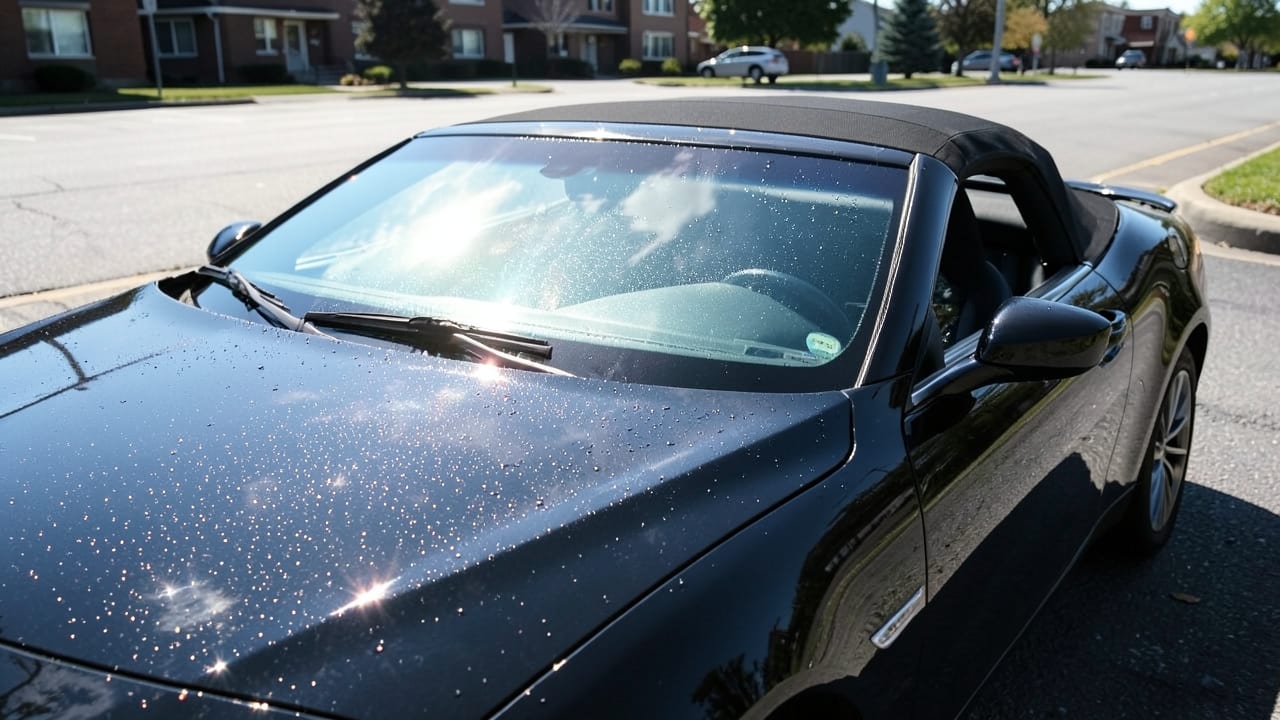
Convertible Top Protection in Roseville, CA
Ceramic coating and protective treatments applied to convertible tops for durability and UV resistance.
Learn More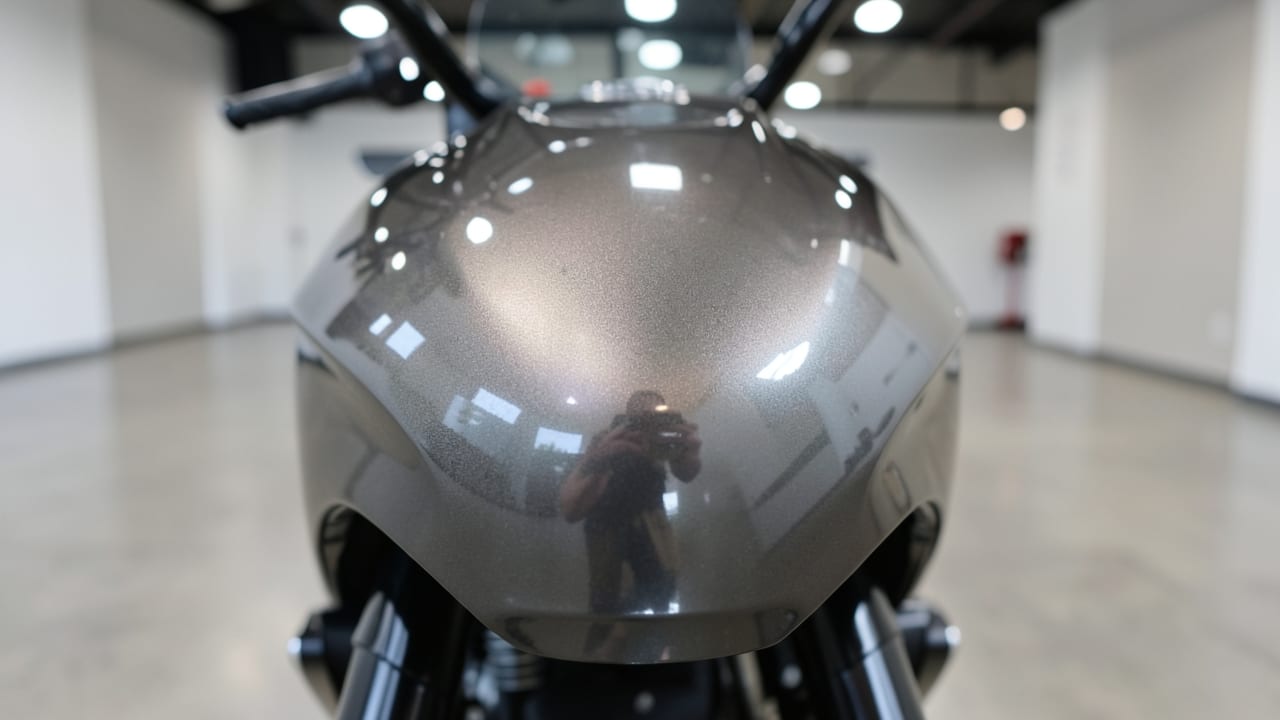
Motorcycle Ceramic Coating in Roseville, CA
Professional application of ceramic coating to protect motorcycle paint and surfaces from damage.
Learn More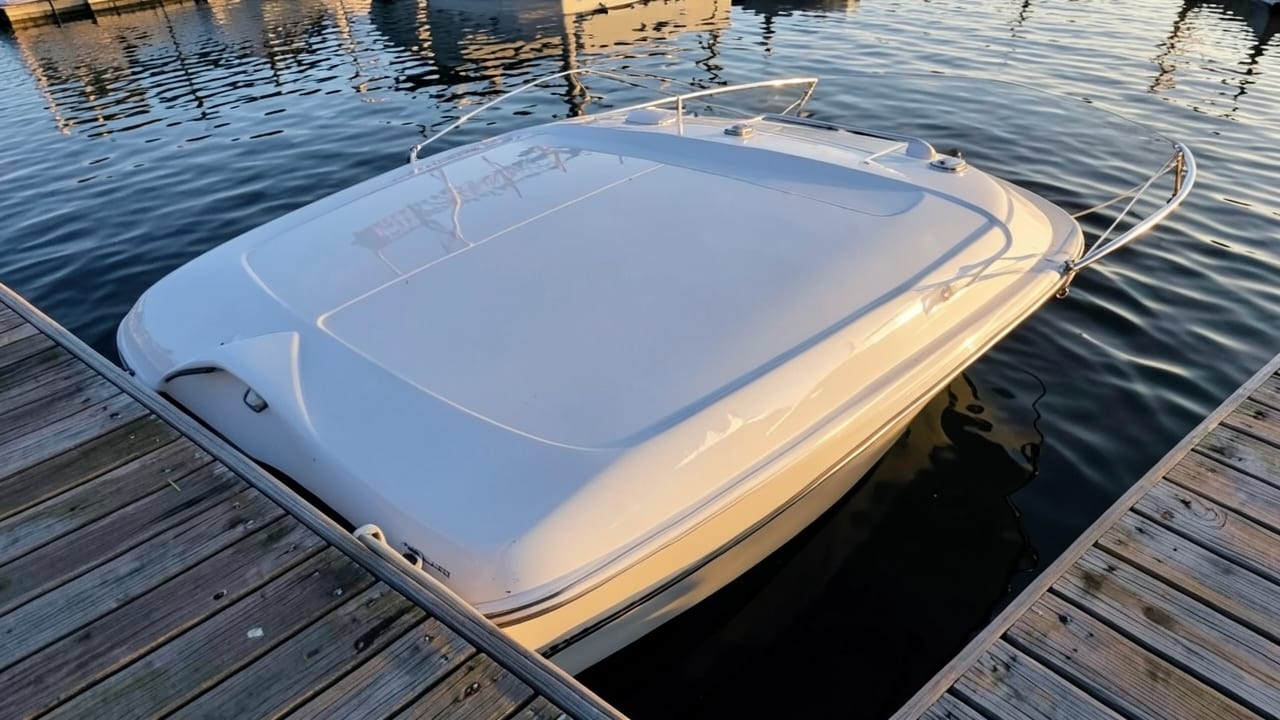
Boat Gelcoat Restoration in Roseville, CA
Restoring and protecting boat gelcoat with ceramic coatings to renew shine and durability.
Learn More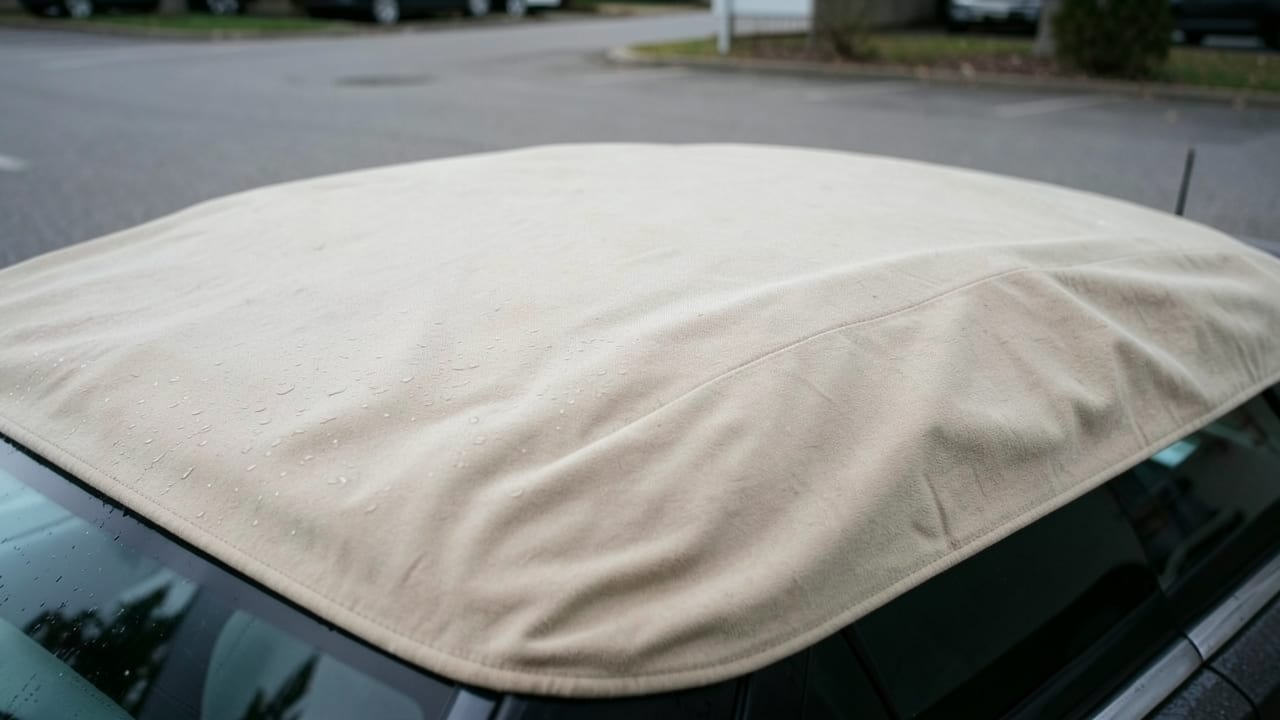
Fabric Soft Top Coating in Roseville, CA
Application of ceramic coating to protect and enhance fabric soft tops on vehicles.
Learn More
Acid Rain Etch Removal in Roseville, CA
Professional removal of acid rain etching from vehicle surfaces using ceramic coatings and paint correction.
Learn More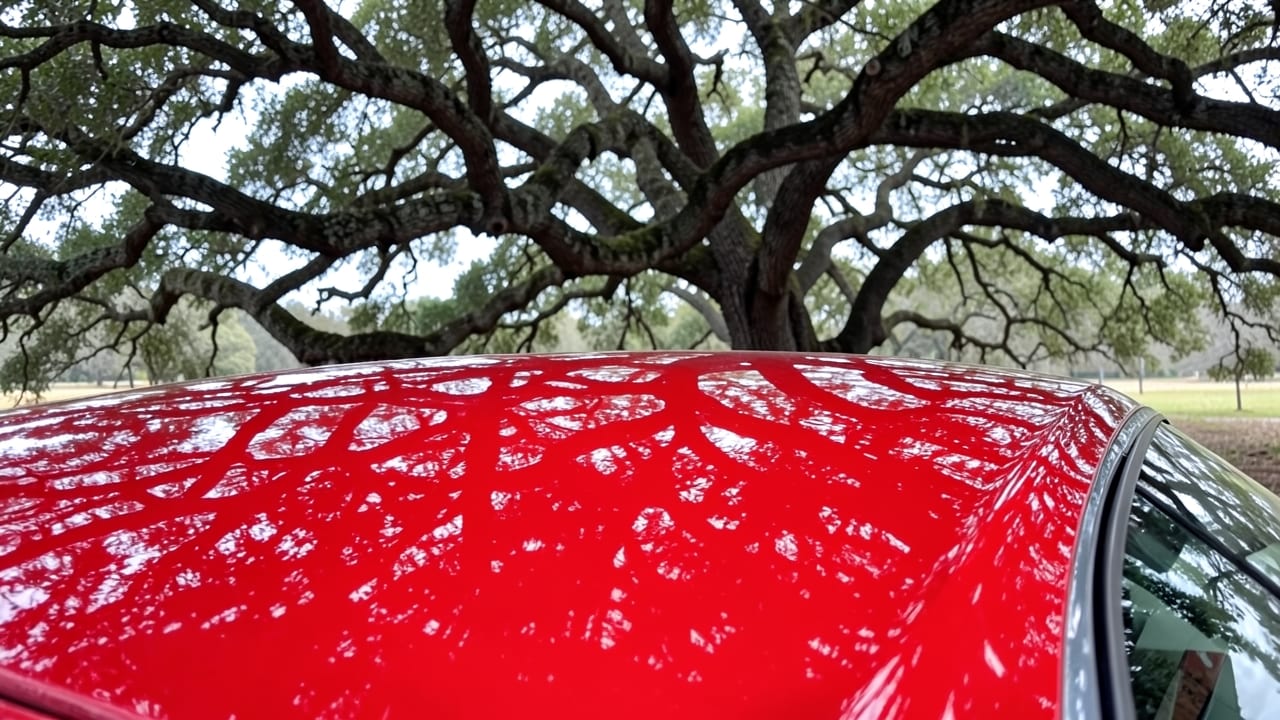
Tree Sap Removal in Roseville, CA
Professional removal of tree sap from vehicle surfaces using safe, paint-friendly methods.
Learn MoreCommon Questions About Ceramic Coating in Roseville
Everything you need to know about ceramic coating services in Roseville
How much does Annual Ceramic Maintenance Wash typically cost in Roseville, CA?
Does intense UV and dust in Roseville, CA change coating maintenance?
What is the difference between graphene and SiO2 ceramic coatings?
Does a ceramic coating need to be topped up over time?
Can a ceramic coating be applied over existing swirl marks or light scratches?
Is ceramic coating ever covered by comprehensive auto insurance?
Need Ceramic Coating in Roseville?
Get a written quote from our Roseville crew.
⏰ We answer your call • Serving all of Roseville and surrounding areas